

product highlights
for cooking, baking and creating

70-85%

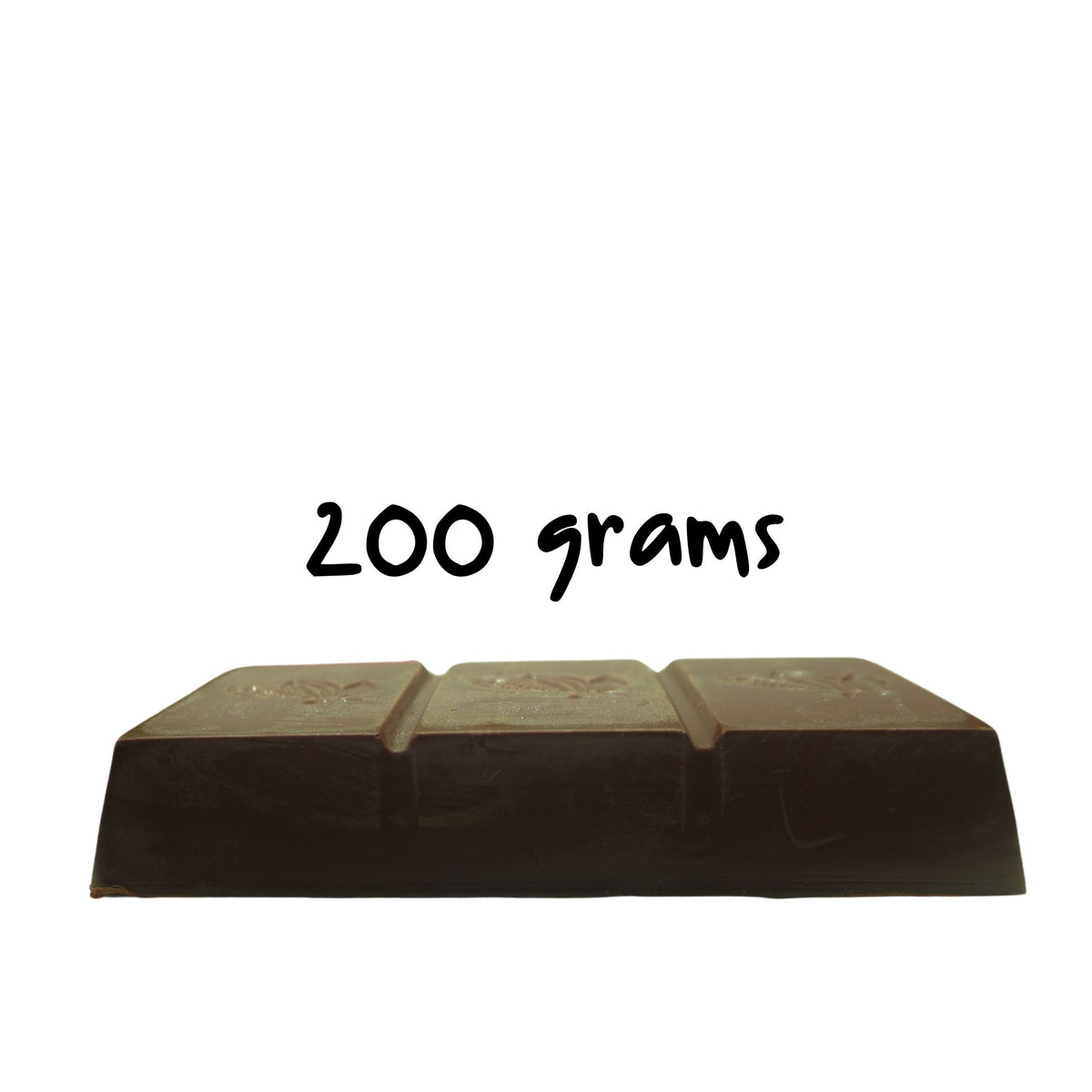
200 grams
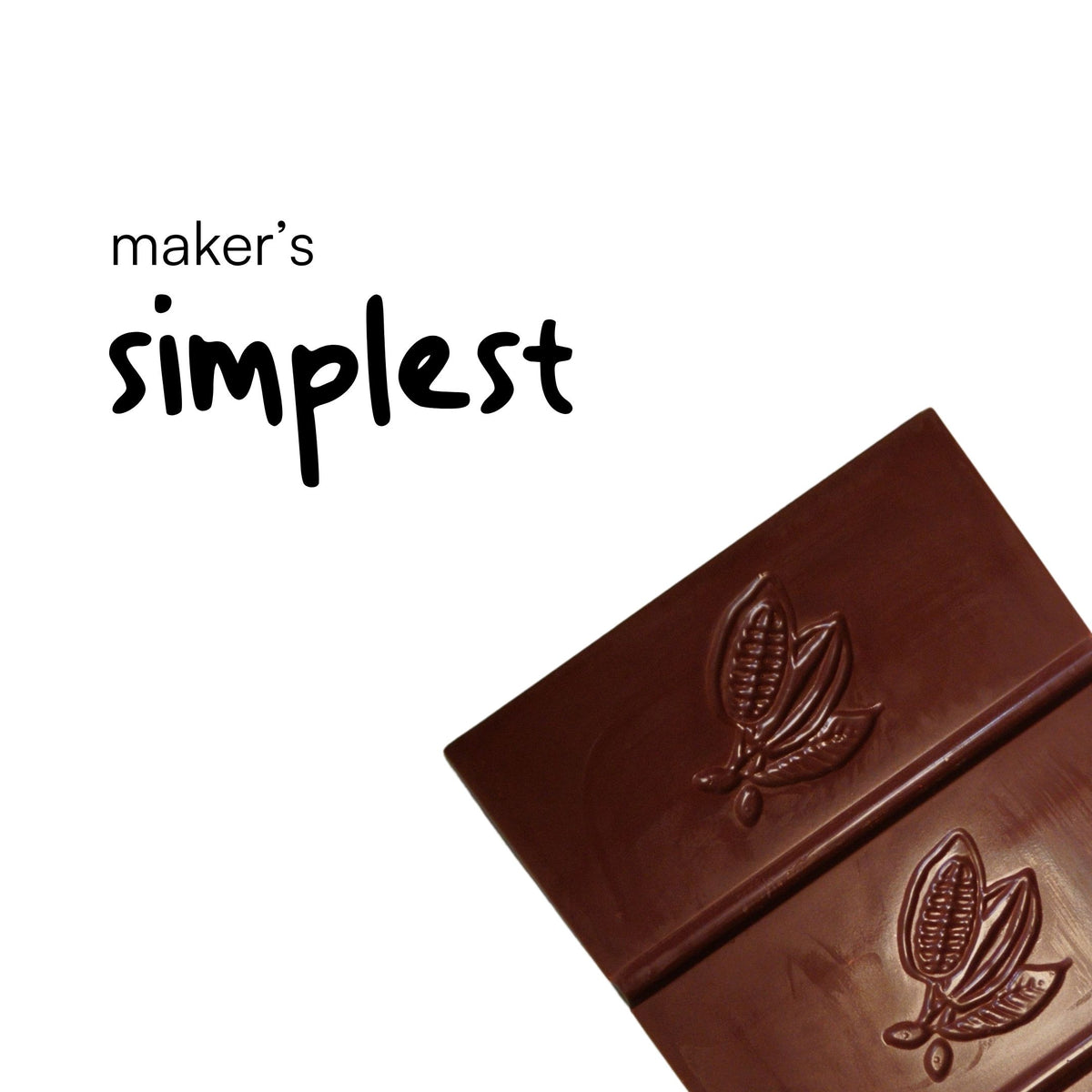
maker's simplest
Fresh cacao for the kitchen. Freshly roasted, freshly ground, made in multiple variants for different recipes and needs. The same Oona cacao, built for those who create with it.

Made fresh to order.
Ships between 48-72 hours

Naked & natural packaging
Couldn't load pickup availability
Pickup available at Oona Ranikhet
Usually ready in 2-4 daysWhy we made this
Because makers deserve the highest quality and goodness.
Pairs well with
product highlights
for cooking, baking and creating
70-85%
200 grams
maker's simplest
If you have any questions, you are always welcome to contact us. We'll get back to you as soon as possible, within 24 hours on weekdays.
-
Free Shipping on Orders over ₹700
We do our best to process and dispatch order between 24-48 hours and they arrive between 3-5 business days. Please keep in mind that we get backlogged the holiday season and it could take longer. If you have any questions about your order, please contact our friendly Customer Service team and we'll be glad to help.
-
Refunds
Purchases made from the online store cannot be returned after purchase. We offer full replacement of products that might be damaged in transit.
-
FAQ’s
Visit our FAQs page to find answers to common questions.
-
Contact Us
We'd love to hear from you. Our team is here to help. Connect by phone, chat, email, and more.
We are available Monday to Saturday (9am-7pm IST)
whole cacao v/s couverture v/s compound
What are they made of?
Oona's whole-bean cacao: Whole cacao beans + khandsari sugar (indian unrefined cane sugar). no sugar in whole cacao.
Couverture: Cocoa/cacao solids + cocoa butter + white sugar, most often with lecithin and vanilla/vanillin.
Compound: Cocoa ingredients (often alkalised) + sugar + vegetable fat (cocoa butter is replaced with hydrogenated fat), often with other flavourings/emulsifiers.
How much cacao is actually present?
Whole-bean cacao: The cacao percentage directly represents how much whole cacao is in the product. For example, 85% means 85% whole cacao nibs and 15% khandsari sugar.
Couverture: The cacao percentage generally represents the combined cocoa-derived components, including cocoa solids and cocoa butter. A 70% couverture isn't necessarily 70% whole cacao bean. A 70% courverture can have any mix of cocoa paste, cocoa butter and/or cocoa solids adding up to 70%.
Compound: Cocoa percentage can be lower and is less directly comparable because the formulation commonly relies on vegetable fat and other ingredients.
Is the cacao bean kept whole?
Whole-bean cacao: Yes. The cocoa bean is roasted and the nib is separated from the husk and ground directly into the finished product, keeping the cacao whole.
Couverture: The cacao bean is typically separated into cocoa solids and cocoa butter, which are then formulated together with additional cocoa butter and sugar. They might also be alkalised.
Compound: Usually relies on processed cocoa ingredients combined with vegetable fat rather than the natural fat of the cacao bean as the primary fat.
Does it contain added fat?
Whole-bean cacao: No added fat. The fat comes naturally from the cacao bean itself.
Couverture: Yes. Additional cocoa butter is generally added to make the chocolate fluid enough for coating, moulding and tempering.
Compound: Yes. Cocoa butter is largely replaced by vegetable fat, which gives compound chocolate its characteristic processing advantages.
How many ingredients does it need?
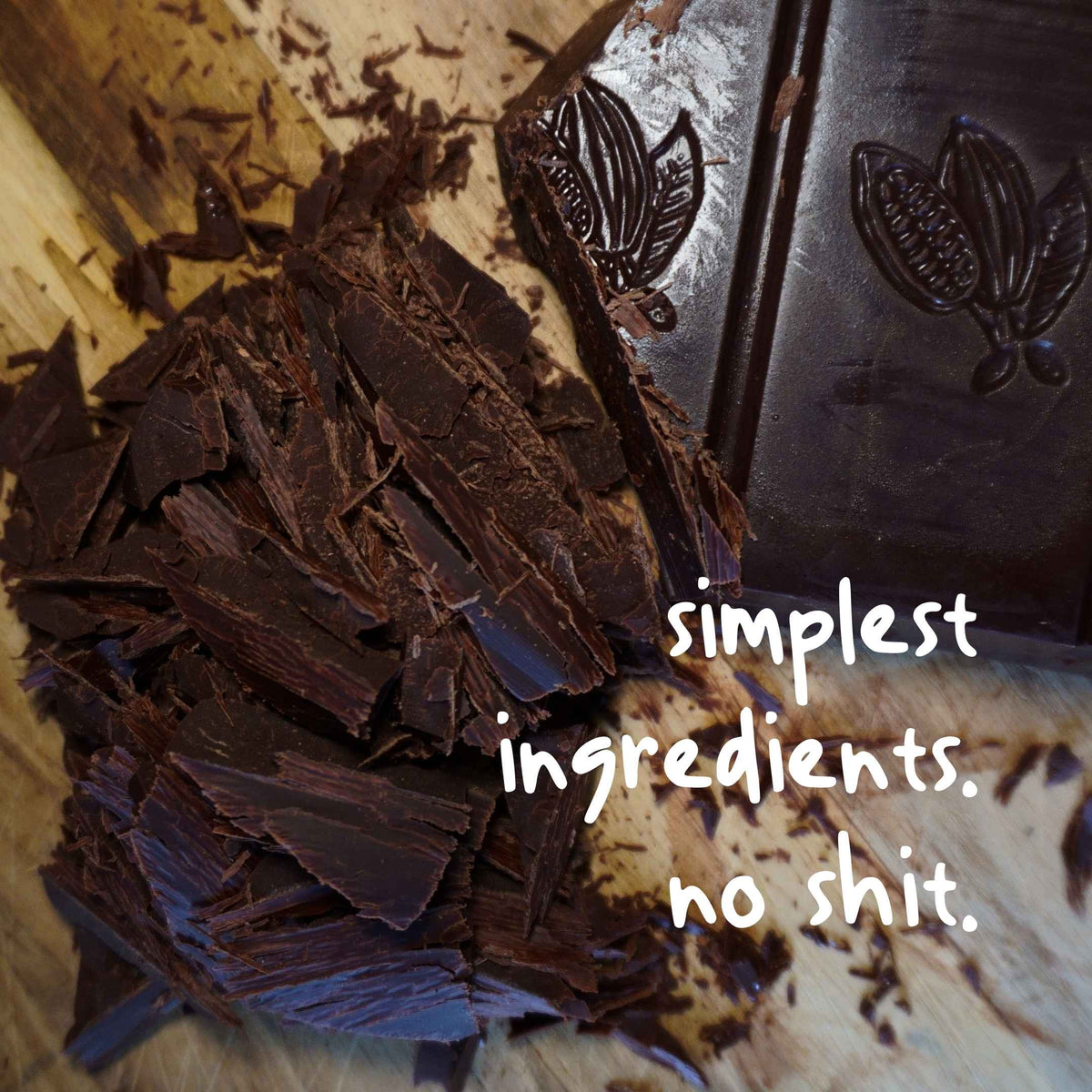
Whole-bean cacao: Can be as simple as one or two ingredients: cacao + raw sugar.
Couverture: Typically cacao/cocoa solids, cocoa butter and sugar, with some formulations adding lecithin, vanilla, milk powder or other ingredients.
Compound: Usually has a longer formulation involving cocoa ingredients, sugar, vegetable fat and often emulsifiers/flavourings.
How much processing does the cacao go through?
Whole-bean cacao: Made with minimal processing - freshly roasted and ground into the final product.
Couverture: More processing is generally involved because cocoa solids and cocoa butter are separated, refined and then recombined sometimes with other ingredients.
Compound: Uses processed cocoa ingredients and is formulated with vegetable fat for easier manufacturing and handling.
What happens to cacao's natural goodness?
Oona's whole-bean cacao: Retains the cacao bean's natural cocoa butter, fibre, minerals and polyphenols.
Couverture: Still contains some of cacao's naturally occurring compounds, particularly when made with a high cacao content, but heavy processing and formulation alter the original bean and the nutritional value.
Compound: Can contain cacao-derived nutrients, but heavy processing and greater use of sugar and added vegetable fat generally means cacao makes up a smaller part of the overall food.
What is each one really designed for?
Whole-bean cacao: To experience cacao and its goodness. The focus is on the bean, its flavour, character and natural composition.
Couverture: To make european style desserts. Its high cocoa-butter content provides the fluidity needed by western chocolatiers.
Compound: To make confectionery cheaply and easily. Vegetable fat makes it economical, convenient and less demanding to work with.

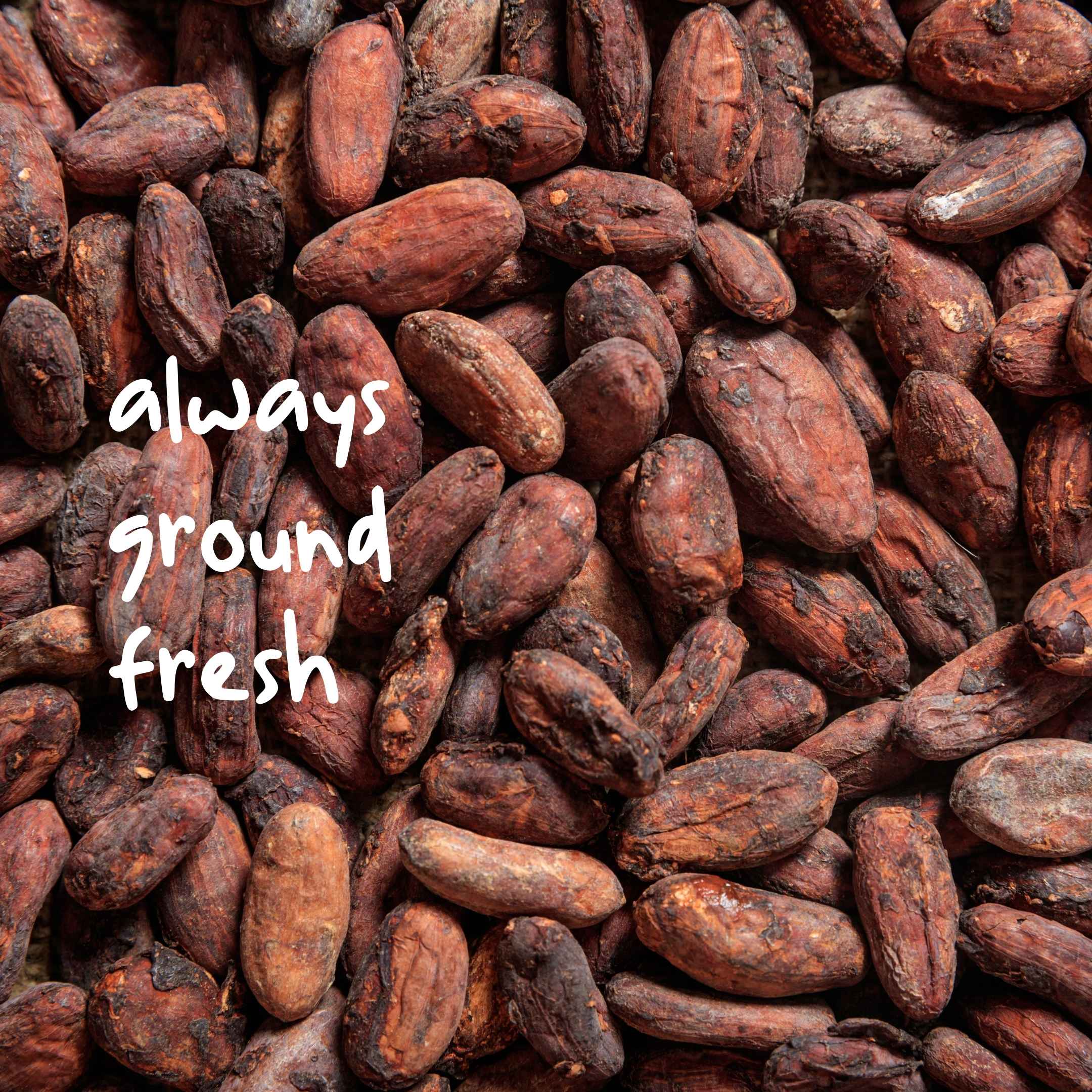
always ground fresh
Roasted fresh. Ground fresh. Made fresh the moment your order is placed. Bolder flavour. Richer aroma. Nutrition at its peak. This is not cacao from a shelf. This is cacao at its highest.
Product details
ingredients
allergens
weight
best before
how to store
- Unwrap and store in a cool and dark place; back of pantry in a separate container is ideal
- Stays best somewhere between 8°C-18°C
- Keep away from heat and direct sunlight
- Keep away from strong odours.
- Do not freeze.

Vegan

Zero Sugar

Nut Free
Gluten Free
try out the recipes


now grinding cacao beans from: idukki, keralam
harvest season: may - june 2026